
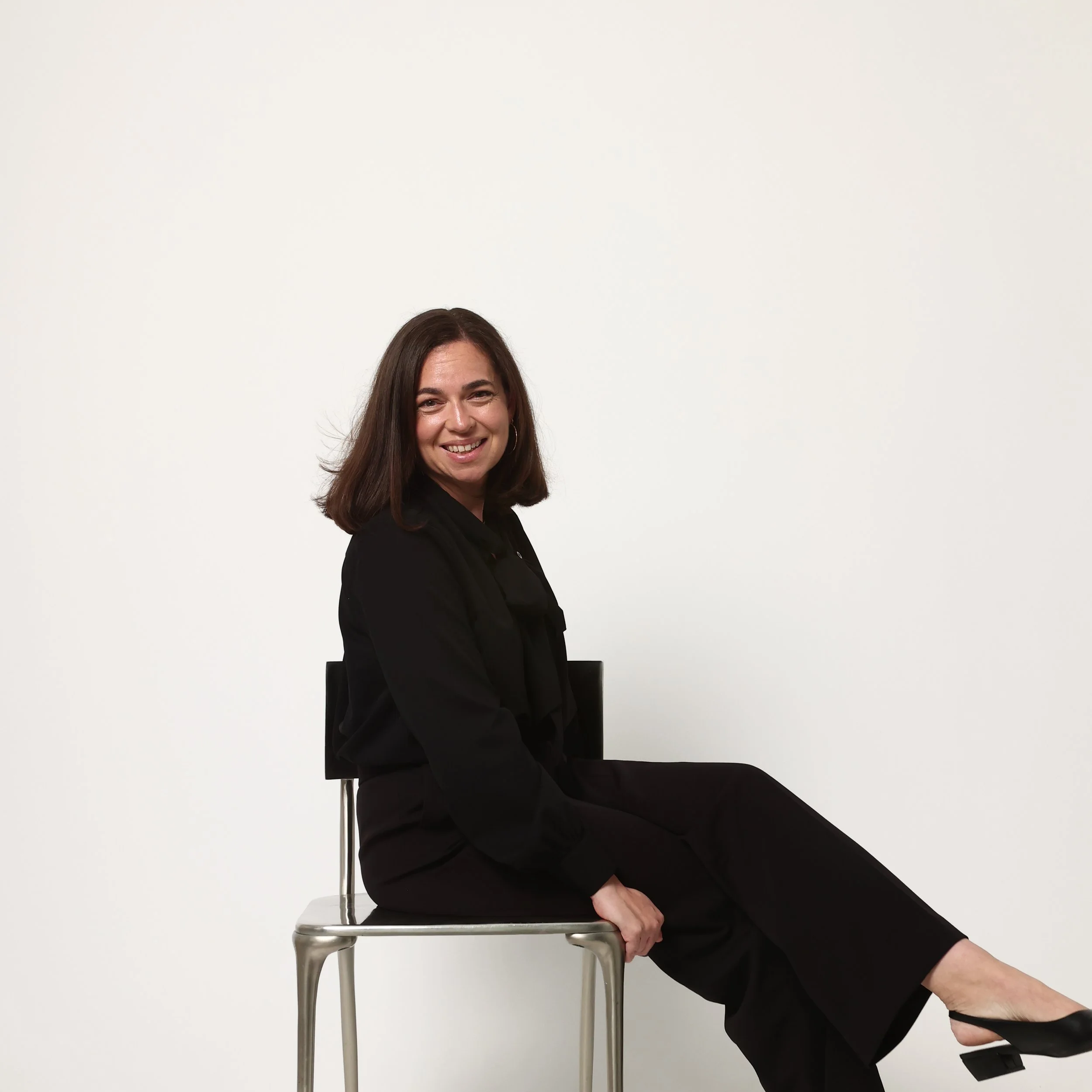
Meet Lindsay
I spent 19 years sneaking naps in bathrooms while working in some of the most high-pressure rooms in the country. I thought I wasn't tough enough. Turns out I had narcolepsy.
I'm Lindsay, a keynote speaker, patient advocate, and sleep health educator helping high achievers use sleep as the competitive advantage it is.
For nearly two decades, I built my career in the highest-pressure rooms in the country: Congress, the US Mission to the UN, the Emmys, and the advance teams for President and Michelle Obama. The expectations were relentless, but so was I because I loved my jobs and what I was accomplishing.
I'd been on the fast track since I was 16, taking summer classes at Yale, first one in and last one out. I wore my late nights like a badge and measured my worth in how much I could take on. We all did.
Looking back now, working at those levels made it so easy to ignore sleep and a growing problem: how exhausted I was. But I wasn't just exhausted. I was sneaking naps in the car, in bathrooms, anywhere I could find a quiet space. And I didn't see my colleagues doing this part.
I was keeping pace with some of the most driven people in the country — and still convinced something was fundamentally wrong with me. Not the workload. Not the culture. Me. I thought maybe I wasn't tough enough, or didn't want it badly enough. Everyone else seemed to run the same hours and come back fine.
Then, at 35, I was diagnosed with narcolepsy.
At first, I was relieved. It wasn't burnout or imposter syndrome or one of the other many mental health conditions I'd been misdiagnosed with over the years. Everything I'd spent years blaming myself for finally had an explanation. And it was never a personal failing.
But then I realized — this wasn't something I could fix by eating better or pushing harder. It was a neurological condition, one that wasn't ever going to go away.
So I did what I've always done. I got to work. I received my certificate in Sleep: Neurobiology, Medicine, and Society from the University of Michigan, surrounded myself with top researchers and clinicians, and learned everything I could. The average doctor gets less than 3 hours of sleep education in medical school. I've spent years learning what they didn't.
And the more I learned, the more I realized it wasn't just me. 1 in 5 of us has a sleep disorder, and most will go years — sometimes decades — before they ever find out. I went 19 years. Over 50 million Americans are currently undiagnosed.
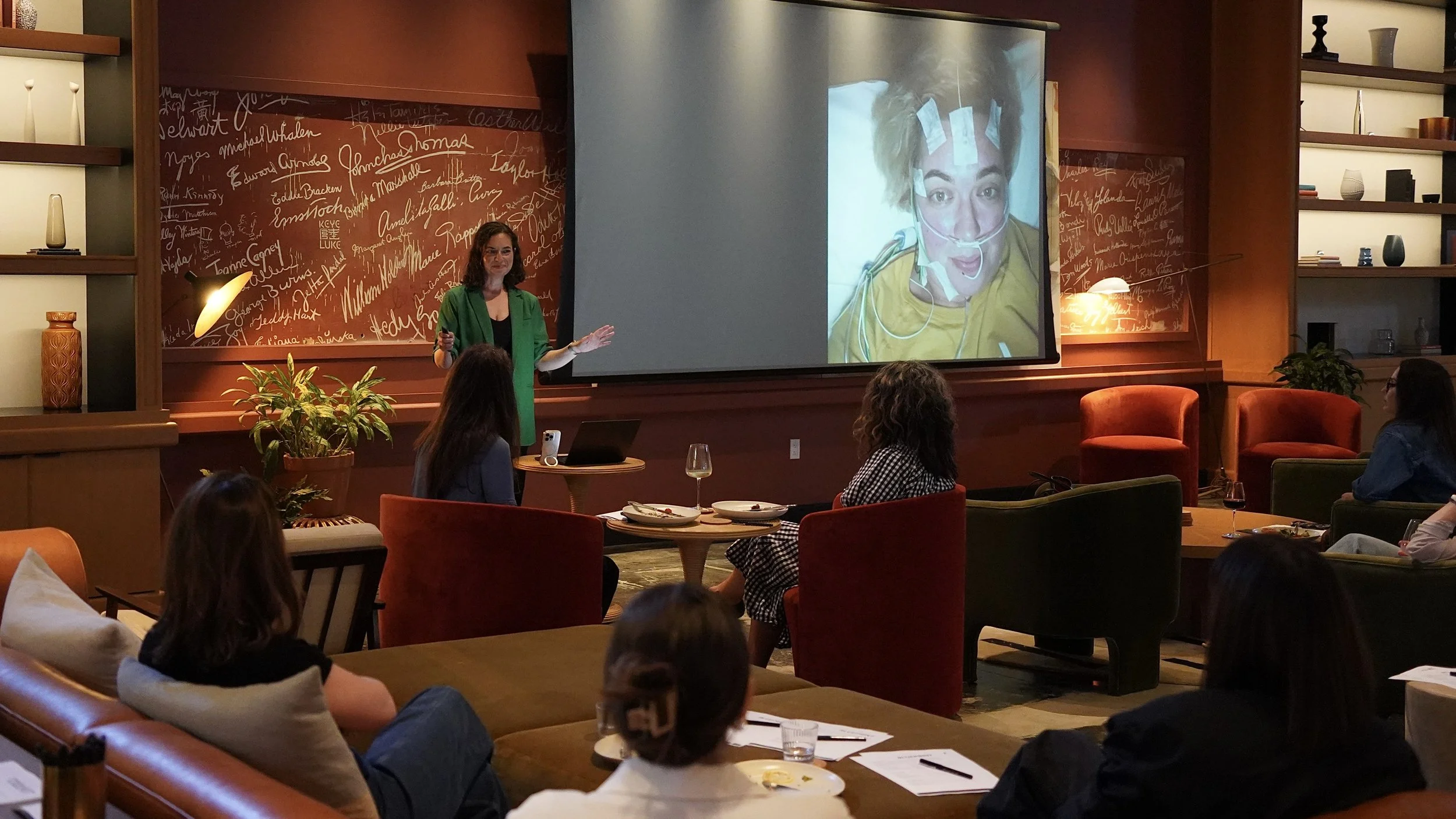
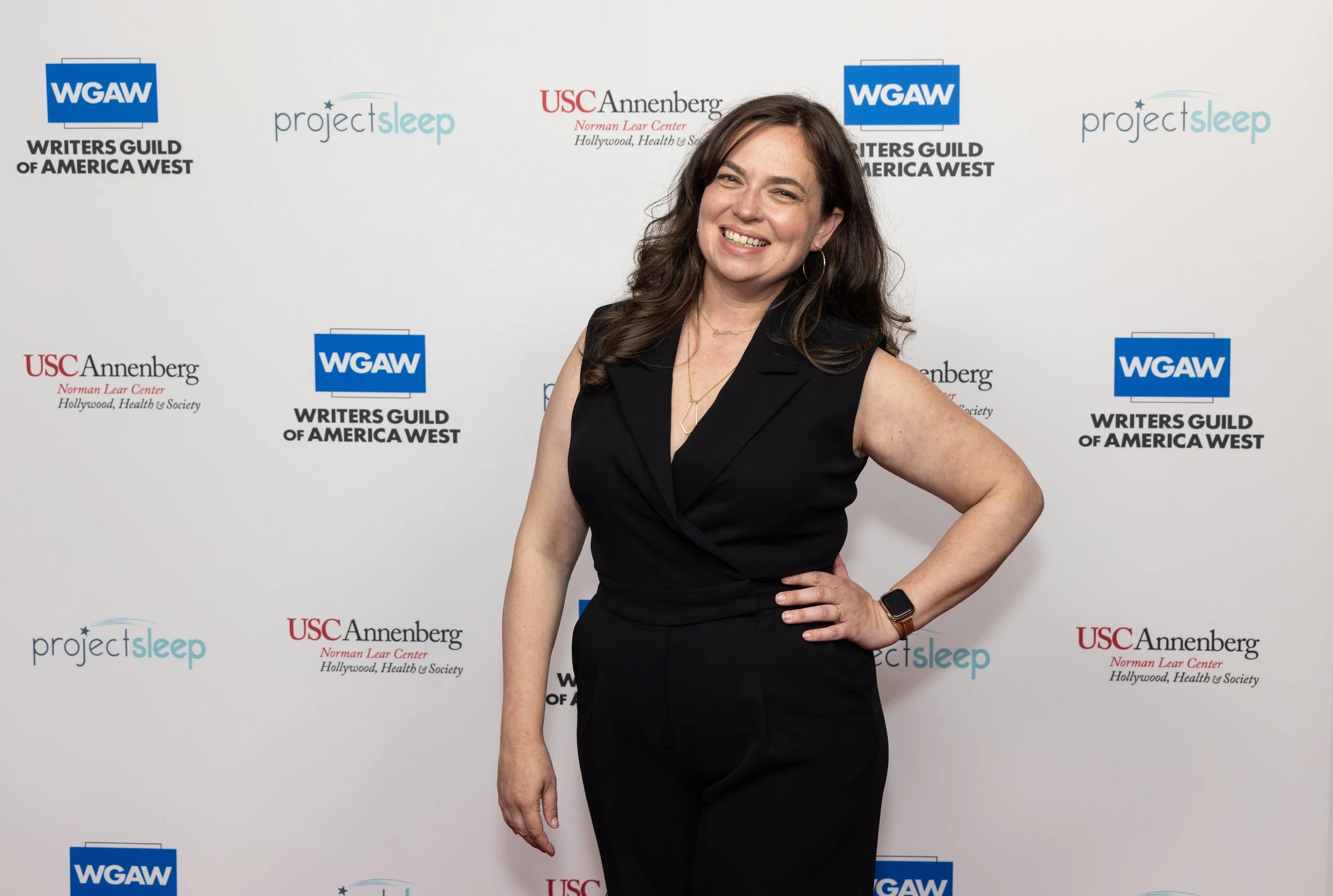
In 2023 I organized the first White House Sleep Equity Convening. I've spoken at Congress, consulted with TV writers rooms on accurate narcolepsy portrayals, and built a platform dedicated to closing the sleep disorder diagnosis gap.
That gap is what drives everything I do — whether I'm on a corporate stage helping high performers understand sleep as a competitive advantage, working with medical practices to build better referral protocols, or speaking to the person who has been exhausted for a decade and doesn't know why.
“Most high performers treat sleep as the thing they'll get to when everything else is done. That's exactly backwards. Sleep isn't the reward for a hard day's work. It's what makes the hard day's work possible.”

AI FOR ADHD
Solving for narcolepsy didn’t answer everything. Six years later, at 41, I was diagnosed with ADHD — equal parts relieved and furious. Relieved because my entire life suddenly made sense. Furious because I’d spent four decades thinking I was the chaos monster when I’d actually been fighting it the whole time. That diagnosis led to my book, AI for ADHD — a no-shame guide for ambitious, messy brains on using AI tools to work with your brain instead of against it.
